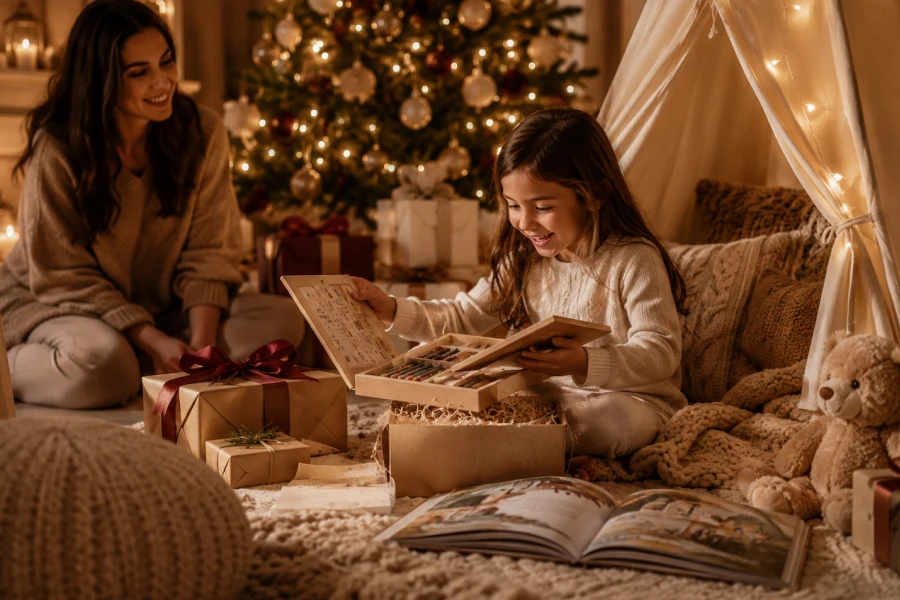
The best christmas gift ideas for children create more than a bright moment under the tree. They invite imagination, confidence, play, and connection long after the wrapping paper disappears. A memorable gift fits the child’s personality instead of simply following the latest trend. It might encourage them to build, explore, create, care for something, or share with others. Parents and relatives can make better choices by looking at how a child already spends their happiest hours. Their interests often point directly toward the right kind of surprise. Thoughtful selection also helps avoid clutter. One meaningful gift can become more valuable than several quickly forgotten items.
Pay attention to the activities that make a child lose track of time. Some children love drawing and making things. Others enjoy movement, role play, puzzles, animals, stories, or building. These preferences offer a much stronger starting point than a generic age label. Browse children’s Christmas gift ideas with a clear sense of what already sparks their attention. A good present should feel like an invitation to do more of what they enjoy. It can also gently expand that interest. The right choice makes a child feel understood, capable, and excited to explore something on their own.
A gift becomes more meaningful when it has a natural place in everyday life. Consider where the child will use it, who they may use it with, and how often it could come out after the holiday. Some gifts encourage independent focus. Others create opportunities for siblings, friends, or adults to join in. Both can be valuable. The key is matching the experience to the child’s routine. A busy child may enjoy something calming and hands-on. A quiet child may love a gift that encourages imaginative storytelling. A practical question can help: will this create a moment they want to return to? That answer reveals a great deal.
Imagination gives a gift staying power because it lets children invent new ways to use it. Open-ended materials, character-based play, creative kits, and role-play activities can all support this kind of exploration. The most appealing holiday presents for kids often leave room for the child to take the lead. They do not dictate every move or provide all the answers. Instead, they create a starting point. This freedom helps a child build confidence in their own ideas. It also means the gift can feel new again after the first day. That makes it a stronger choice for a long winter break.
It can be tempting to fill the holiday with many small gifts. Yet too many choices can make it harder for a child to appreciate any single one. A few well-considered items often create a calmer, more enjoyable morning. Focus on gifts that match the child’s age, abilities, and interests. Look for durable options that invite repeated use. You can also pair one larger gift with a smaller personal touch, such as a favorite snack or a book related to the child’s current curiosity. This creates variety without overwhelm. A thoughtful selection feels abundant when every item has a reason for being there. Meaning matters more than volume.
A holiday gift can feel especially satisfying when it helps a child practice a growing skill. That does not mean every present needs an educational label. Skills can develop through creative play, movement, storytelling, problem solving, and care. Choose meaningful gifts for children that meet them where they are now. A child learning patience may enjoy a project with visible progress. A curious reader may love a story-based activity that invites questions. Gifts that build confidence feel rewarding because children can see themselves getting better. The holiday excitement becomes part of a longer process of discovery.
Presentation can add a little magic without becoming complicated. Use colors, textures, or a simple clue that matches the gift inside. Create a small scavenger hunt for one special item. Let older children open a note that hints at an activity you will do together. These details can make the morning feel more memorable. They also slow the pace enough for everyone to enjoy it. A child does not need a highly produced event to feel wonder. Often, a small element of surprise is enough. The goal is to create a moment of attention. That feeling may become one of the holiday memories they carry forward.
Some gifts become part of the family story because they return in new forms each year. A creative tradition might involve choosing one craft activity, one shared game, or one experience that everyone anticipates. These rituals make the holiday feel personal. They can also help children understand that Christmas is about connection as much as receiving. Add Christmas morning traditions that grow with the child rather than staying fixed. Over time, the memory of feeling seen and included may matter more than the specific gift. That is the kind of holiday magic worth creating.



Leave a comment